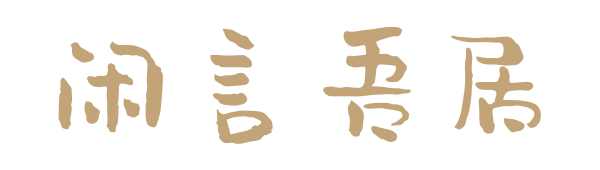
Chinese Calligraphy and Seal Engraving: The Art of Writing as Spiritual Practice
Chinese calligraphy and seal engraving represent two of the most refined art forms in Chinese culture, each requiring decades of dedicated practice to master. Far more than mere handwriting or craft, these arts embody the philosophical ideals of harmony, balance, and the cultivation of moral character that have defined Chinese civilization for millennia.
## The Essence of Calligraphy
### Philosophical Foundations
Chinese calligraphy rests on profound philosophical principles:
- **Qi (气)**: The vital energy flowing through the brush
- **Harmony**: Balance between structure and spontaneity
- **Naturalness**: Capturing the spirit of the moment
- **Character cultivation**: Moral refinement through practice
- **Three perfections**: Poetry in the text, painting in the composition, calligraphy in execution
### The Four Treasures
Calligraphy requires four essential tools (文房四宝):
- **Brush (笔)**: Made from weasel, goat, or rabbit hair, each with distinct qualities
- **Ink (墨)**: Produced from pine soot, shaped into inksticks for grinding
- **Paper (纸)**: Xuan paper (宣纸) from Anhui, prized for its absorbency
- **Inkstone (砚)**: Granite slabs for grinding ink with water
## Historical Scripts
### Seal Script (篆书)
The oldest standardized Chinese script:
- **Origin**: Zhou Dynasty inscriptions on bronze vessels
- **Characteristics**: Highly stylized, pictographic, decorative
- **Uses**: Official seals, classical inscriptions, artistic effect
- **Variants**: Greater seal (大篆) on bronze; Lesser seal (小篆) standardized by Qin
- **Modern use**: Signatures, ornamental purposes
### Clerical Script (隶书)
The script that bridged ancient and modern:
- **Origin**: Han Dynasty administrative needs
- **Characteristics**: Flat, horizontal emphasis, distinctive strokes
- **Key feature**: The "silkworm head, swallow tail" ending strokes
- **Significance**: First truly legible and standardized Chinese script
- **Modern influence**: Foundation for regular script strokes
### Running Script (行书)
Between formality and spontaneity:
- **Characteristics**: Faster than regular script, more legible than cursive
- **Origins**: Eastern Han Dynasty officials seeking efficiency
- **Key feature**: Connected strokes with intentional pauses
- **Types**: Greater running (行楷) closer to regular; Lesser running (行草) more cursive
- **Popularity**: Most practical script for daily correspondence
### Cursive Script (草书)
The most expressive and challenging script:
- **Characteristics**: Extreme abbreviation, flowing strokes, emotional expression
- **Origins**: Rapid writing in military contexts
- **Masters**: Zhang Zhi, Wang Xizhi, Huaisu, Xi Gong
- **Types**:章草 (early cursive), 今草 (modern cursive), 狂草 (wild cursive)
- **Appreciation**: Requires years of study to understand
### Regular Script (楷书)
The standardized model script:
- **Characteristics**: Clear, balanced, perfectly structured characters
- **Origins**: Han Dynasty, matured in Tang Dynasty
- **Great masters**: Yan Zhenqing, Liu Gongquan, Ouyang Xun, Zhao Mengfu
- **Modern role**: Standard for education, printing, official documents
- **Features**: Precise strokes, regulated proportions, elegant simplicity
## Styles and Schools
### Regional Schools
Distinct traditions developed across China:
- **Northern (北方楷书)**: Bold, powerful, with angular forms
- **Southern (南方楷书)**: Refined, elegant, with rounded forms
- **Tang style**: Rigorous structure, supreme technical mastery
- **Song style**: Personalized, expressive, individual character
### Master Calligraphers
History's greatest calligraphers:
- **Wang Xizhi (王羲之)**: "Sage of Calligraphy," Orchid Pavilion Preface
- **Yan Zhenqing (颜真卿)**: Powerful, righteous character reflected in strokes
- **Su Shi (苏轼)**: Literary genius, innovative "slanted" style
- **Huang Tingjian (黄庭坚)**: Dramatic strokes, creative genius
- **Wang Xizhi's descendants**: Continued tradition through generations
## The Art of Seal Engraving
### History and Significance
Seal carving (篆刻) developed alongside calligraphy:
- **Origins**: Zhou Dynasty royal seals
- **Imperial use**: Emperor's seal (玉玺) as symbol of power
- **Personal seals**: Identifying documents, artwork authentication
- **Materials**: Stone, jade, agate, metal, bone, wood
- **Evolution**: From practical to artistic
### Techniques
Creating a seal requires exceptional skill:
- **Design**: Composition of characters in limited space
- **Layout**: Red (阳文) vs. white (阴文) relief
- **Carving**: Controlled chisel work, no room for error
- **Inking**: Applying red ink, controlled pressure
- **Impression**: Taking the seal print
### Stone Types
Traditional seal stones have distinct qualities:
- **Shoushan (寿山石)**: Warm colors, soft for detailed carving
- **Qingtian (青田石)**: Blue-green, excellent for beginners
- **Balin (巴林石)**: Rich colors, northern variety
- **Hetian jade**: Precious, for important seals
- **Chalcedony**: Translucent, highly prized
### Notable Seal Engravers
- **Wang Xizhi**: Legendary early master
- **Mi Fu (米芾)**: Integrated calligraphy and seal
- **Wu Changshuo (吴昌硕)**: Late Qing master
- **Qi Baishi (齐白石)**: Modern artist of exceptional seals
- **Chen Hongshou**: Ming Dynasty artist
## Tools and Materials
### Brush Types
Different brush hairs create different effects:
- **Weasel (狼毫)**: Firm, precise, for small characters
- **Goat (羊毫)**: Soft, expressive, for large characters
- **Mixed (兼毫)**: Balanced properties
- **Sizes**: From hair-fine to room-sized
### Ink and Inkstones
- **Inksticks (墨锭)**: Pine soot with additions, ground with water
- **Inkstones (砚)**: Duan (端砚) from Guangdong,洮砚 from Gansu
- **Liquid ink**: Convenient but less prestigious
- **Grinding**: Meditative practice, quality affects strokes
### Paper Types
- **Xuan paper (宣纸)**: The premier calligraphy paper
- **Rice paper variants**: Different textures and absorbancy
- **Bamboo paper**: Traditional alternative
- **Synthetic papers**: Modern alternatives
## Cultural Significance
### Calligraphy and Character
Traditional belief connected calligraphy to character:
- "Style reveals the person"
- Moral cultivation through artistic discipline
- Calligraphy as spiritual practice
- The four arts of the Chinese scholar (琴棋书画)
### Calligraphy in Daily Life
- Couplets on doors during festivals
- Shop signs and banners
- Legal documents and correspondence
- Personal correspondence
- Artwork and poetry
### Calligraphy in Art
- Combined with painting (书画合一)
- Album leaves and scrolls
- Fan inscriptions
- Tomb inscriptions
- Stele rubbings
## Modern Developments
### Contemporary Practice
- Schools teaching traditional calligraphy
- Calligraphy as art distinct from practical writing
- International appreciation growing
- Digital calligraphy tools
- Calligraphy therapy and meditation
### Global Influence
- Japanese calligraphy (書道) derived from Chinese
- Korean calligraphy (서예) sharing Chinese characters
- Western art incorporating calligraphic elements
- International exhibitions and competitions
- UNESCO recognition of intangible heritage
### Preservation
- Training master calligraphers
- Museum collections and exhibitions
- Documenting historical pieces
- Academic research
- Cultural heritage programs
## Learning and Practice
### Traditional Training
- Copying model characters (描红)
- Studying master works
- Years of daily practice
- Learning through poetry inscriptions
- Building personal style
### Modern Learning
- Calligraphy schools and courses
- Online tutorials and resources
- Art supplies readily available
- International communities
- Cross-cultural exchanges
## Conclusion
Chinese calligraphy and seal engraving represent perhaps the most intimate synthesis of art and character in human culture. Far from mere decorative writing, these arts demand the complete engagement of mind, body, and spirit—the cultivation of moral character through the disciplined practice of brushwork, the meditative grinding of ink, and the careful composition of meaning and form. As the world increasingly recognizes the value of contemplative practices and artistic discipline, Chinese calligraphy offers not only a window into Chinese civilization but also a profound model for the integration of art and life. Whether practiced for wellness, artistic expression, or cultural connection, the art of the brush and seal continues to speak across centuries and cultures, inviting each generation to discover the infinite depths within a single stroke.