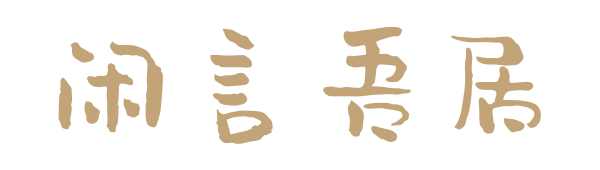
Chinese Calligraphy: The Supreme Art of Brush and Ink
Chinese calligraphy holds an unparalleled position in Chinese arts, regarded as the supreme visual art form that sets the standard by which other arts, including painting, are judged. According to Britannica Encyclopedia, this ancient practice dates back thousands of years and represents the stylized artistic writing of Chinese characters. More than mere handwriting, calligraphy embodies the calligrapher's character, cultivation, and artistic vision through rhythmic brushstrokes.
Historical Development
The evolution of Chinese calligraphy mirrors the development of Chinese writing itself. Oracle bone inscriptions from the Shang Dynasty represent the earliest known Chinese characters, carved into turtle shells and animal bones for divination purposes. Through successive dynasties, calligraphers developed distinct scripts: seal script during the Qin Dynasty, clerical script in the Han Dynasty, and the refined regular script still taught today. Wang Xizhi, a 4th-century calligrapher revered as the 'Sage of Calligraphy,' exemplified artistic perfection through works like the 'Preface to the Orchid Pavilion Collection,' which remains influential after 1,600 years.
The Four Treasures of the Study
Traditional calligraphy relies on four essential tools, collectively known as the Four Treasures of the Study, each contributing to the art's unique character.
- Brush: Made from animal hair (typically goat, wolf, or rabbit) mounted in bamboo, capable of producing strokes varying from hairline thin to bold, sweeping marks.
- Ink: Traditionally sold as solid inksticks that are ground on an inkstone with water to produce fresh ink, allowing calligraphers to control ink density and texture.
- Paper: Xuan paper, produced in Anhui province for over 1,500 years, absorbs ink in distinctive ways that enhance brushwork effects.
- Inkstone: A flat stone surface for grinding inksticks, with antique inkstones prized as art objects themselves.
Major Script Styles
Chinese calligraphy encompasses five primary script styles, each serving different aesthetic and practical purposes. Seal script features ancient, decorative characters used primarily for seals and formal documents. Clerical script developed for administrative efficiency, with flatter, wider strokes. Regular script, the foundation for learners, presents balanced, clearly defined characters. Running script introduces fluid connections between strokes, while cursive script allows maximum artistic expression through abbreviated, flowing forms. According to cultural heritage experts, mastery of regular script serves as the prerequisite for advancing to more expressive styles.
Contemporary calligraphers continue exploring this ancient art form, creating innovative works while preserving traditional techniques. International exhibitions and cultural exchange programs have introduced Chinese calligraphy to global audiences, fostering appreciation for this quintessential Chinese art. The practice remains integral to Chinese education, with students learning brush writing as part of their cultural inheritance.